Environmental, Social and Governance

South Africa’s Nuclear Regulatory Environment
South Africa operates a fully integrated nuclear industry, spanning the mining of uranium ore through to the processing and export of yellowcake to international markets. Key institutional anchors include the South African Nuclear Energy Corporation (NECSA), whose main research centre is located at Pelindaba, and NUFCOR, which plays a central role in processing and marketing uranium concentrate.
Foundational Nuclear and Regulatory Legislation
The legislative and regulatory framework is well developed. The foundational statutes are the Nuclear Energy Act, 1999 (Act No. 46 of 1999) and the National Nuclear Regulator Act, 1999 (Act No. 47 of 1999).
The Nuclear Energy Act, administered by the National Nuclear Regulator (NNR), governs the acquisition, possession, use, handling, processing, and sale of nuclear materials — including uranium, thorium, and plutonium — and formally establishes NECSA.

Radioactive Waste Management
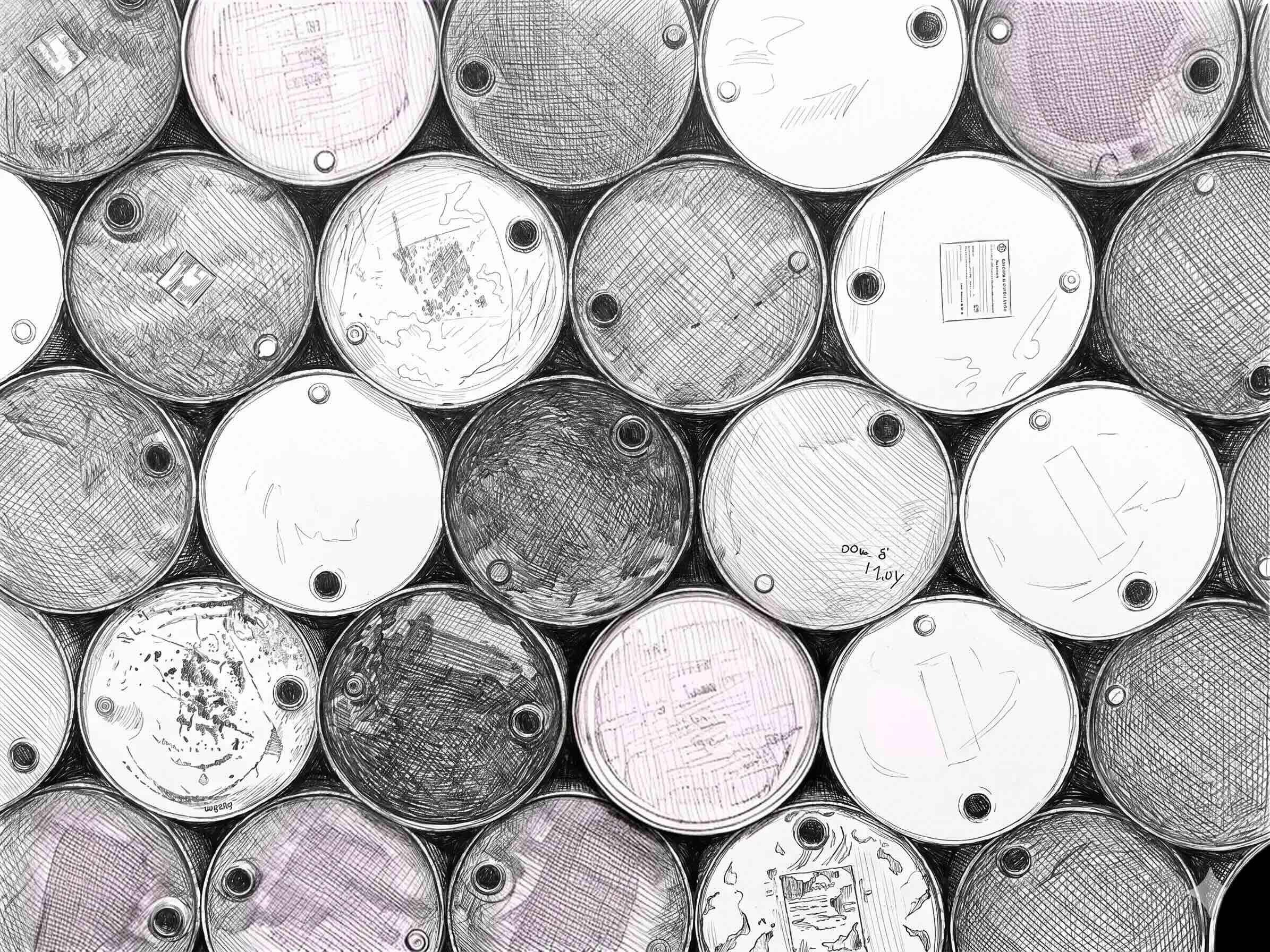
Responsibility for radioactive waste management falls under the National Radioactive Waste Disposal Institute Act, 2008 (Act No. 53 of 2008), which created the National Radioactive Waste Disposal Institute to oversee the safe handling and disposal of low-, intermediate-, and high-level radioactive waste arising from both mining and broader nuclear activities, including uranium tailings.
Environmental and Occupational Safeguards
Environmental and occupational safeguards are addressed through complementary legislation. The National Environmental Management Act, 1998 (Act No 107 of 1998 requires environmental impact assessments for uranium mining projects as a condition of approval. Water resource protection is provided for under the National Water Act, 1998 (Act No. 26 of 1998). The Mine Health and Safety Act, 1996 (Act No. 29 of 1996), sets the framework for worker protection in mining operations.

Commitment to Responsible Development
Neo Energy will operate in a sector and jurisdiction where responsible development is a condition of licence, not a marketing position. The following sets out the company's specific commitments under each pillar. Where programmes are at an early stage, this is stated plainly.

Environmental
Starting From An Established Baseline
Infrastructure Re-use
Water, Radiation, and Rehabilitation
Social
B-BBEE and Ownership
Employment and Social and Labour Plans (SLPs)
Community Engagement
Governance
As Neo Energy transitions from developer to producer, its board will transition to that of an operating mining company with dual international listings. Strengthening the non-executive complement is an identified priority.
Board Committees
An Audit and Risk Committee, a Governance and Nomination Committee, a Health, Safety, Environmental and Technical Committee (HSET), and a Remuneration Committee have been constituted as part of the board strengthening process. The Chairmen and Members of these committees are as follows:
Audit and risk committee
Chairman
Johan Reeder
Members
Sajjad Sabur
John Wallington
Attendees
Elmarié Maritz
Frederik Brand
Health, Safety, Environmental and Technical Committee
Chairman
John Wallington
Members
Sajjad Sabur
Johan Reeder
Attendees
Theo Botoulas
Martin Westerman
Remuneration committee
Chairman
Sajjad Sabur
Members
Johan Reeder
John Wallington
Attendees
Theo Botoulas
Frederik Brand
Governance and Nomination Committee
Chairman
Neal Froneman
Members
Sajjad Sabur
Johan Reeder
Attendees
Theo Botoulas
Frederik Brand
The committees’ terms of reference will be published here at a later stage.
All regulatory announcements relating to board and committee changes will be available in the Regulatory Announcements section of the Investor Centre.
Governance Policies
The following policies are in preparation and will be published here, on adoption by the board:
- Anti-bribery and corruption
- Code of Conduct
- Share dealing
- Whistleblower
- Securities Dealing and Share Transactions

Governance Framework and Regulatory Compliance
Neo Energy is listed on the Main Market of the London Stock Exchange and admitted to trading on A2X Markets in South Africa. The company is subject to the regulatory and disclosure requirements applicable to each market on which its securities are traded.
The company intends to consider, in the near future, a secondary listing on the Johannesburg Stock Exchange (JSE).
Compliance
In the United Kingdom, the company is subject to the Financial Conduct Authority's Disclosure Guidance and Transparency Rules, the Market Abuse Regulation, and the UK Listing.
On A2X, the company is subject to the A2X Equities Rules and the associated disclosure and reporting obligations applicable to issuers on that platform.
Corporate Governance
The company applies the QCA Corporate Governance Code, which provides a principles-based governance framework tailored to the needs of growing companies.
Neo Energy’s financial report includes a statement of how the company applies the QCA Code, including any areas where the company does not yet fully comply, and the action steps being taken to address them.
Neo Energy is committed to conducting business with integrity, transparency, and accountability. If you become aware of any suspected breach of our Code of Conduct, company policies, or applicable laws or regulations, we encourage you to report it.
Reports may relate to fraud, corruption, unethical behaviour, health and safety concerns, discrimination, harassment, environmental matters, or any other conduct that is inconsistent with our values or legal obligations.
All reports are treated confidentially, and concerns can be raised without fear of retaliation. We encourage employees, contractors, suppliers, customers, and other stakeholders to speak up whenever something does not seem right.
South African Regulatory Framework
Neo's South African subsidiaries are subject to the Mineral and Petroleum Resources Development Act, the National Nuclear Regulator Act, the National Environmental Management Act, and the National Water Act.
Regulatory Announcements and Disclosure
All material regulatory announcements are released simultaneously through the London Stock Exchange's Regulatory News Service and A2X Markets, in compliance with the company's disclosure obligations across both exchanges.
The full announcements archive is available in the Announcements section of the Investor Centre on this website.
Investing in South Africa’s Next Great Uranium Producer